Record Label Marketing Agency Los Angeles
A release has a short window. We work with labels on what comes before it: the music video, the social rollout and the clips that give fans and editors something to share.
Quick answer
Clouds Agency works with Los Angeles record labels and independent artist teams on the video and social side of a release. A real person on our team plans the rollout backward from release day, shoots one day that yields a performance clip, looping visuals and snippets, and edits each asset for its platform.
The song is finished. The plan usually is not.
- 01
Artist accounts go quiet between releases
Followers drift when a feed only posts on release day. Regular short videos and studio or tour clips keep an audience warm.
- 02
A music video can cost a lot and still get ignored
Videos made without a plan for cutdowns and platforms get one premiere and little else. Planning the shoot to yield vertical clips and teasers gets more out of the same budget.
- 03
Release plans start too late
When the date is two weeks away, everything gets rushed. Teasers, press assets and playlist pitches all need lead time from the label and the artist.
How We Help
What we build for record labels
Artist social media
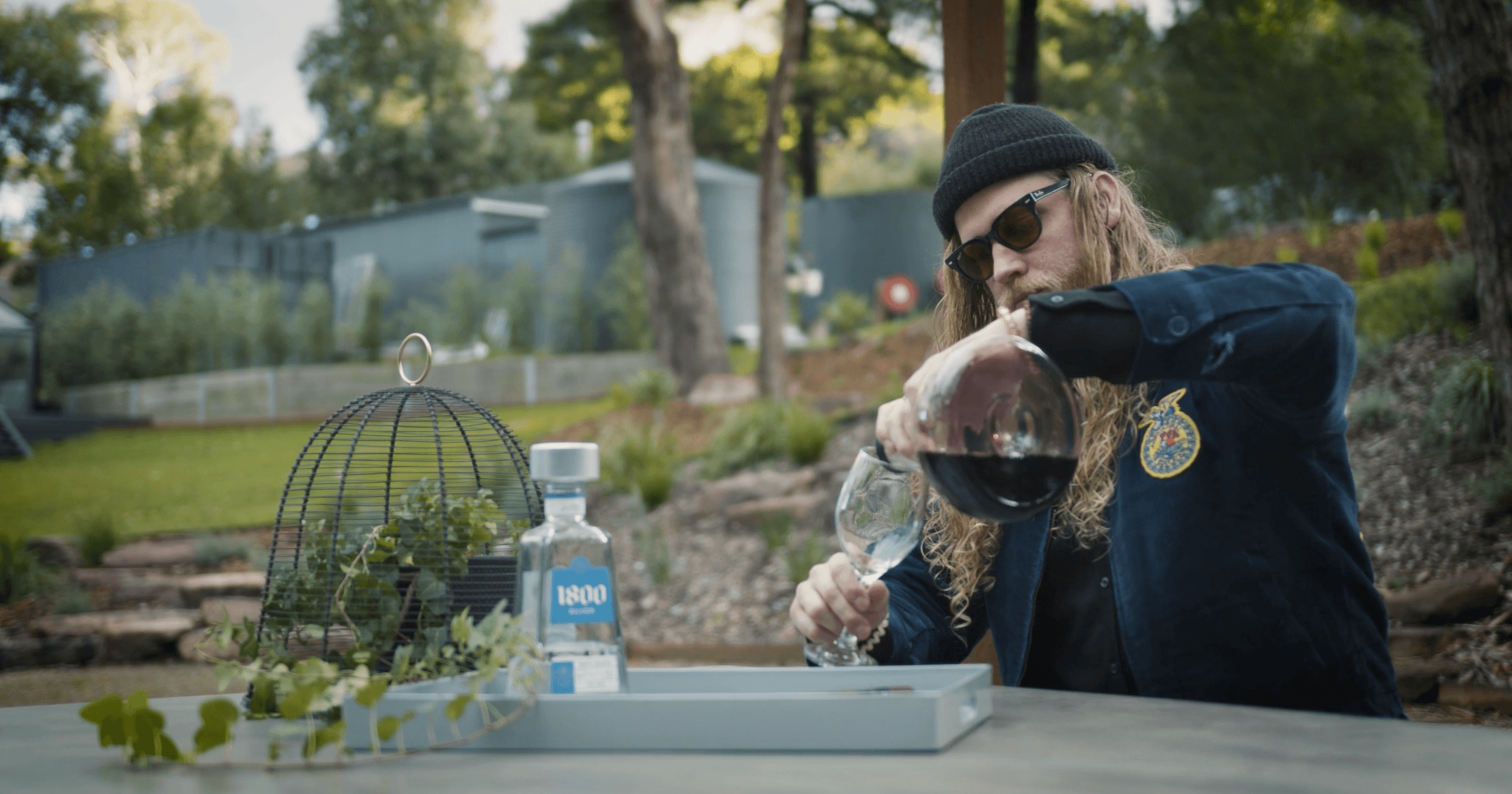
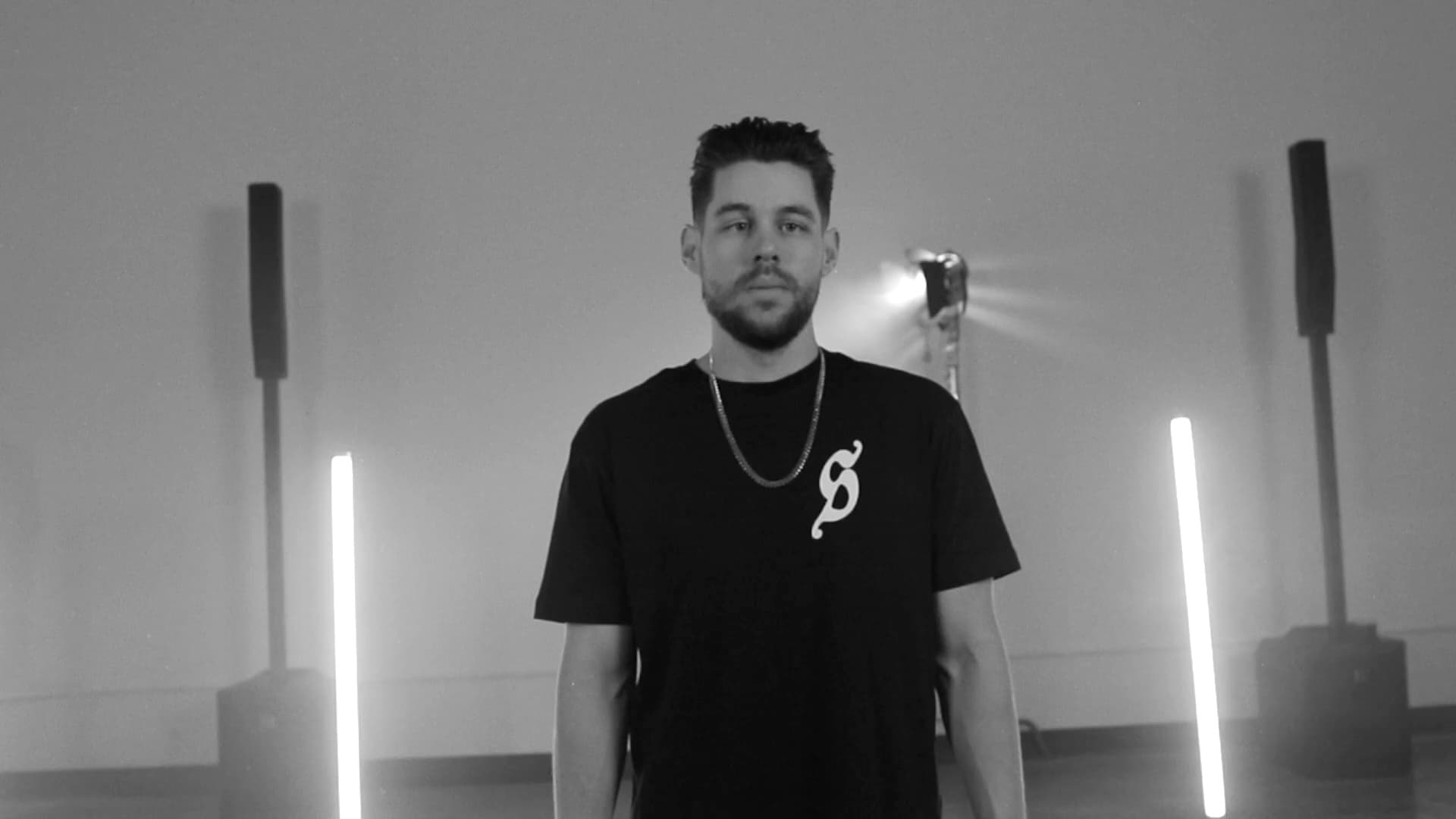
Content plans, filming days and posting for the artists on your roster, in each artist's own voice.
Music videos
Concept, treatment, shoot and edit, with vertical and short versions planned into the shoot from the start.
Release campaigns
A schedule of teasers, announcements and clips working back from release day, with assets ready for press and partners.
Content for playlist pitching
Visual assets, artist bios and short clips that support the pitches you send to playlist editors. We do not control placements.
Before You Hire
What to ask when you hire for a record label campaign
A release depends on dates your distributor and the streaming services set, plus rights that sit with the label and artist. Ask these before you book a shoot.
Which assets come out of one shoot day?
A single day can produce a performance clip, short vertical snippets, a loopable visual for Spotify Canvas and behind-the-scenes footage, if the shoot is planned that way. Spotify describes Canvas as a short vertical loop of 3 to 8 seconds.
- A good answer: a list of assets mapped to shots before the day
- Vertical framing is planned in and not cropped afterward
How far back from release day do you plan?
Spotify recommends pitching an unreleased song to its editors at least seven days before release, and the song must first reach Spotify for Artists through your distributor. Distributors set their own lead times.
- A good answer: a calendar that starts with your distributor delivery date
- They ask your distributor how early files are needed
Who owns the video master and the project files?
Ownership and licensing should be in the agreement. Music rights stay with the label and the artist, and that includes any samples, which need clearance before you release or advertise the song.
- A good answer: final files and project files handed over at the end
- They ask about samples and covers before the shoot
How do you handle YouTube Content ID and premieres?
If your distributor registers the song for Content ID, claims can land on your own uploads, and a leftover registration from a former distributor can cause the same problem. A claim is not a strike, but it can redirect revenue.
- A good answer: they ask who registers the audio and plan the premiere around that
How do you handle releases for performers, extras and locations?
Dancers, actors and extras should sign releases, and public locations in Los Angeles may need a permit; FilmLA handles many of them. Skipping this is how a finished video gets pulled later.
- A good answer: release forms and a permit check are part of the schedule
Who signs off for the artist, and how many revision rounds are included?
A label with several people approving gets slow edits and missed dates. One named approver and a set number of rounds keep the calendar intact.
- A good answer: one contact per side and revision rounds written down
Questions people ask
How much notice do you need for a release?
More is better. A social content package can start within about two weeks of kickoff, and a project like a music video usually falls in the 4 to 8 week range from kickoff to delivery. If the release is closer than that, tell us and we will scope what fits.
What do you need from the label?
The release date, the audio or a rough mix, artist approvals and any artwork or brand files. We also need one contact who can sign off quickly.
Who owns the video masters?
Ownership and licensing are written into the agreement, and we deliver final files and project files at handoff. Music rights stay with the label and the artist.
Do you guarantee playlist placement or streams?
No. Playlist editors and listeners decide that. We make the visuals, content and pitch materials that support the release.
What goes into a music release plan?
A release plan lists the assets the song needs, the shoot day that produces them, the date the distributor must deliver files, the pitch date for playlist editors, a run of teaser posts and a second visual for the week after release. We build it backward from release day so each step has a date, and we adjust the scope to the size of the song.
What is a Spotify Canvas and what does it need?
Canvas is a short looping vertical visual that plays behind a track in the Now Playing view. Spotify describes it as 3 to 8 seconds long in 9:16, and it suggests footage without talking or singing. Specs can change, so we check the Spotify for Artists help pages when we plan the shoot and keep key content away from the edges.
How early should we pitch a song to Spotify editors?
Spotify recommends pitching an unreleased song at least seven days before release, and the song has to be delivered through your distributor first. Many teams pitch earlier, and distributors vary in how long delivery takes, so ask yours for dates before you set the calendar. Editors decide placements, and nobody can promise one.
Why did YouTube claim my own music video through Content ID?
Common causes are a distributor that registered the song for Content ID, or a former distributor whose registration was never removed. A claim is an ownership flag and not a strike on your channel, but it can send revenue to another party. Ask your distributor how your audio is registered before you premiere the video.
Related
A release plan for independent artists: which video assets to make, how to cut snippets, when to pitch on Spotify, and a six-week rollout calendar.
A realistic, practical guide to producing a music video in Los Angeles. Budget ranges, crew requirements, location logistics, post-production workflow, and what separates good music videos from great ones.
An EPK is often the first thing a booker, distributor, journalist, or venue sees. A practical breakdown of what belongs in a great electronic press kit and the mistakes that make good projects look amateur.
Content, TikTok, paid ads
Before/after, TikTok, influencers
Lookbooks, TikTok, influencer drops