Food and Beverage Brand Marketing Los Angeles
Shelf space is won twice, once in the store and once on a phone screen. We shoot your product, build the social content around it and send samples to the right creators, so people know what it tastes like before they pick it up.
Quick answer
Clouds Agency is a Los Angeles studio that shoots and markets food and beverage products. A real person on our team plans the shot list from your samples, films the pour, the prep and the package, edits cuts sized for retailers and social, and checks any claim in a caption or ad against the facts you supply.
Your product tastes better than it looks online.
Every food photo starts to look alike
Overhead shots on a marble counter are everywhere. Brands stand out by showing the pour, the crunch and the hands that eat it.
Posts go up and nobody sees them
A product shot with a caption is easy to scroll past. Short video with motion and sound gives the viewer something to stay on.
One purchase is not yet a customer
Direct-to-consumer food brands depend on repeat orders. Recipes, behind-the-scenes posts and replies to comments give buyers a reason to come back.
How We Help
What we build for food and beverage brands
Product video and photography
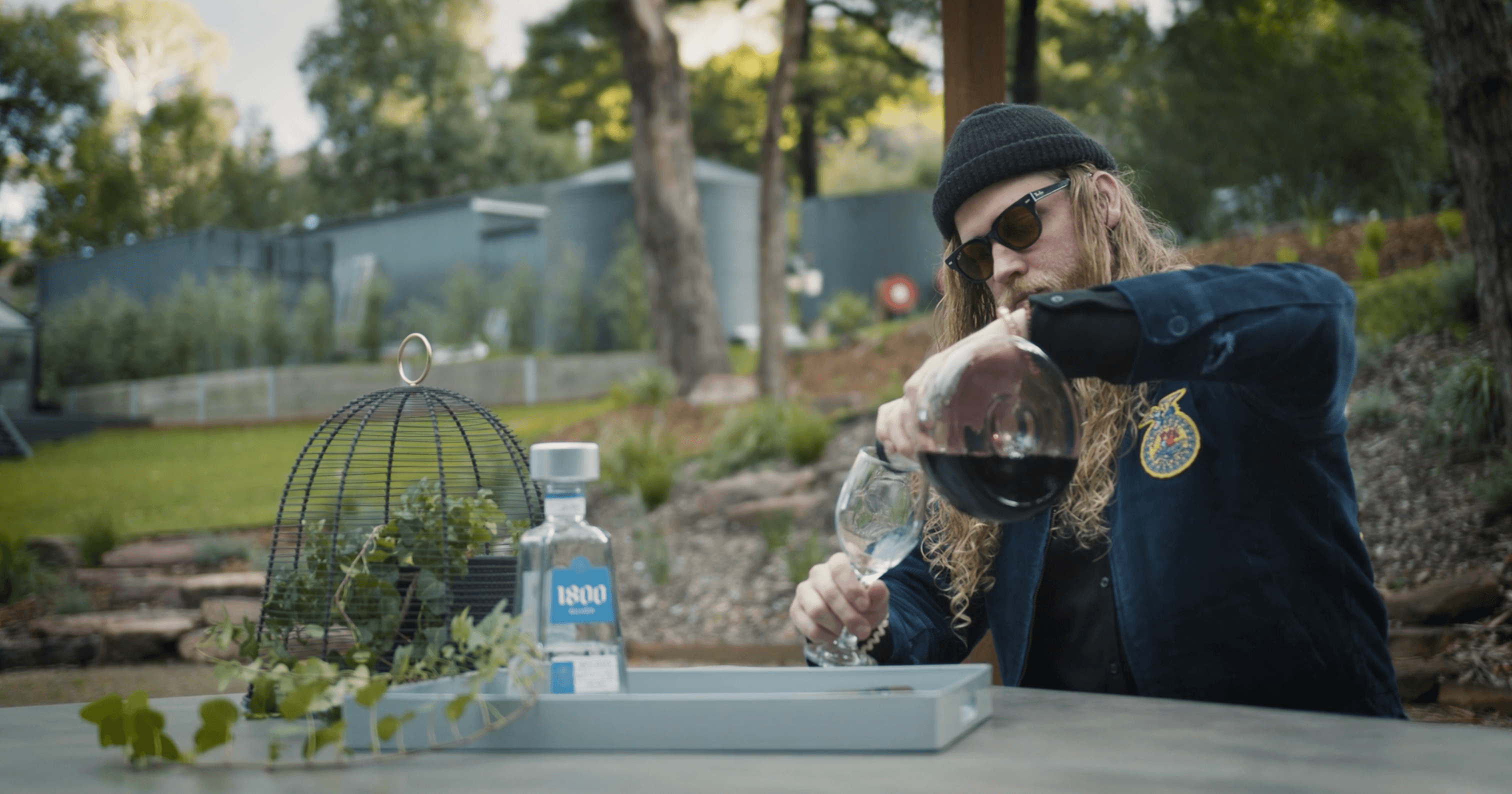
Studio and location shoots for hero images, pour and prep shots, and short clips for your site, your retailers and social.
Social media management
A monthly content plan, posts, captions and community replies for your brand accounts.
Launch content
Teasers, a launch video and a posting schedule for a new flavor, a new product or a new retail partner.
Creator seeding
We choose creators, coordinate sample shipments and briefs, and keep track of what gets posted.
Before You Sign
What to ask when you hire for food and beverage marketing
Questions a founder or brand manager can put to any agency, with what a good answer sounds like. Where regulation is involved this is general information, not legal advice.
Food styling
Is the food in the shot real, and what styling tricks are used?
Styling is normal, but advertising that misleads about the product itself, such as props standing in for the thing you sell, can raise a deception issue under FTC rules. A good answer: the agency tells you which tricks it uses, and shoots the real product for claims about size, fill and ingredients.
Claims
Who checks claims such as healthy, organic, natural or high protein?
Some terms are defined: FDA updated its healthy claim criteria in a final rule with a 2028 compliance date, and organic needs certification. Others, like natural, have no formal definition for most foods. A good answer: claims come from your label and your regulatory contact, and the agency adds none of its own in captions or voiceover.
Alcohol
If this is an alcohol brand, who handles age gates, required statements and platform rules?
TTB treats brand social media content as advertising that needs the required statements. Meta limits alcohol ads in the US to people 21 and older, and TikTok opened US alcohol advertising in 2024 with its own limits, so check current policies. A good answer: the agency asks about your compliance contact and avoids imagery that appeals to minors.
Retail specs
Which retailers or marketplaces need specific image and video specs?
Retail portals and online grocers have their own file, background and size requirements, and a social hero shot rarely meets them. A good answer: the agency asks for spec sheets before the shoot, captures clean pack shots alongside lifestyle frames, and names files for each destination.
Logistics
How do you handle samples, shelf life and shoot-day logistics?
Ice cream melts, bubbles go flat and fruit browns under hot lights. Allergens also matter when product goes to crew or creators. A good answer: extra units for retakes, a cold chain or prep plan, a day-of order of shots from most perishable to least, and allergen notes when samples ship.
Creators
How do you brief creators on tasting, pairings and disclosure?
Under FTC guidance, free product is a material connection that creators must disclose, and a creator saying a drink boosts immunity puts a claim on your brand. For alcohol, creators must be of legal age and mandatory statements still apply. A good answer: approved talking points, disclosure wording and a review step before posting.
Questions people ask
How long does it take to set up a product shoot?
A social content package can start within about two weeks of kickoff. Larger projects like a brand film usually take 4 to 8 weeks from kickoff to delivery. Product samples need to reach us before the shoot date.
What do you need us to send?
Product samples, final packaging if you have it, brand guidelines and a list of the retailers or platforms the content will run on. Perishable items are coordinated around the shoot date.
Who owns the photos and videos?
Ownership terms are in the agreement before work starts. You receive the final edited files at handoff so your team and your retailers can use them.
Can you work on alcohol brands?
Yes. Alcohol advertising comes with rules on age targeting, what imagery and claims are allowed, and how each platform treats the content. Those rules vary by state and platform, so you confirm requirements with your compliance contact and we build the content around them.
Do alcohol brands need required statements on social media posts?
TTB treats an industry member's social media content as advertising, and guidance says the required statements generally need to appear on the page or profile in a conspicuous way, such as a labeled link to the full information. Requirements differ for spirits, wine and malt beverages. Check the current TTB industry circular and your compliance counsel.
Can a food brand put the word healthy on its marketing?
Only with care. FDA finalized an update to the healthy claim in late 2024, with a compliance date in 2028, and it sets criteria for food groups and limits on added sugar, sodium and saturated fat. Whether your product qualifies is a labeling question for your regulatory contact. We use only the claims you approve in writing.
What shots does a food or beverage brand need?
A clean hero shot of the package, an in-use shot, an ingredient or process shot, close-ups of texture such as a pour, crunch or pull, and short vertical and horizontal clips for social, your site and retailers. We build a shot list from your samples and where the content will run before the shoot day.
What affects the cost of food and beverage content?
The main factors are the number of products, whether you need studio or location work, food styling and prep, how many photos and videos you need, usage across retail and ads, and editing and retouching time. We quote after seeing the samples and the list of places where the content will run.
Related
A half-day shoot plan for a Los Angeles restaurant: what to film, how to split reels and stories, how to launch a menu, and what to check before posting.
One full production day, properly planned, can produce 30 to 60 pieces of usable content across multiple formats and platforms. Here is how to structure the shoot and the post-production to maximize every hour.
TikTok Shop is the fastest-growing social commerce platform in the US. Here is how brands are using it to drive real revenue, not just engagement.
Content, TikTok, paid ads
Before/after, TikTok, influencers
Lookbooks, TikTok, influencer drops